Slip-resistant treads
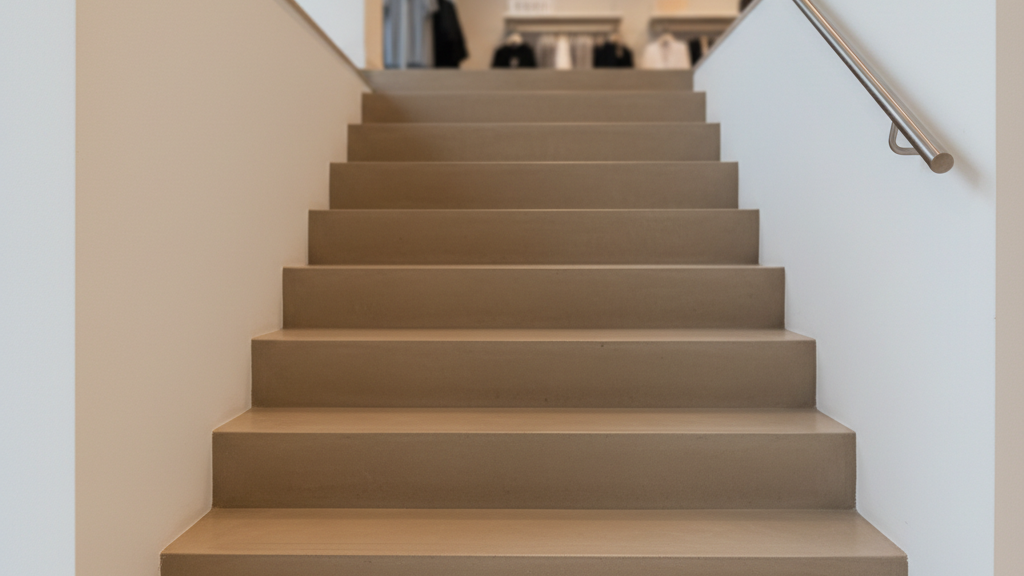
Specialised top sealer adds grip across all treads — meets staircase safety standards without changing the finish appearance.
Seamless staircases with no nosing edges to chip and no carpet to wear through. Slip-resistant treads that flow into the surrounding floor.
Stairs are the most-walked surface in any home. Wood treads dent and discolour at the edges, carpet wears through in stripes, and tile chips at the nosing. Microcement stairs have no edge to chip and no carpet to wear — every tread, riser and stringer is one continuous sealed surface.
We apply over your existing concrete, wood, or metal staircase at 2–3 mm thickness. The surface is sealed with a slip-resistant top sealer specifically rated for staircase use, and the finish flows seamlessly onto the surrounding floor for a fully integrated look.
All three finishes are available in any of our 40+ standard colours. Choose by tactility — smooth for gallery-like calm, stucco for handcrafted warmth, coarse for industrial character.

The most refined of the three styles. Minimal visible trowel marks for a near-uniform appearance — best for contemporary, minimalist interiors.
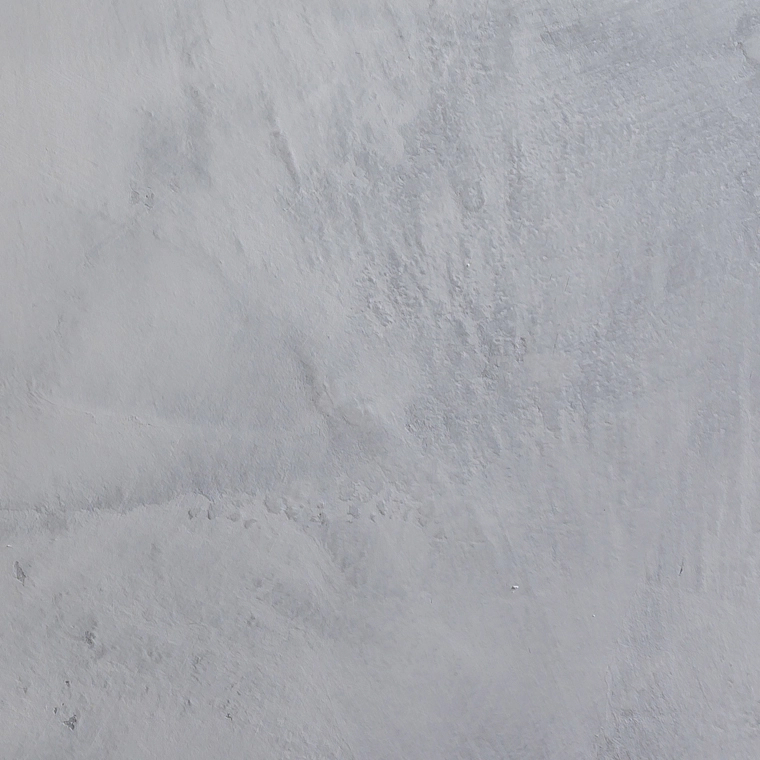
Visible hand-troweled texture with subtle cloud-like tonal variations. The classic Venetian plaster character — depth without busy pattern.
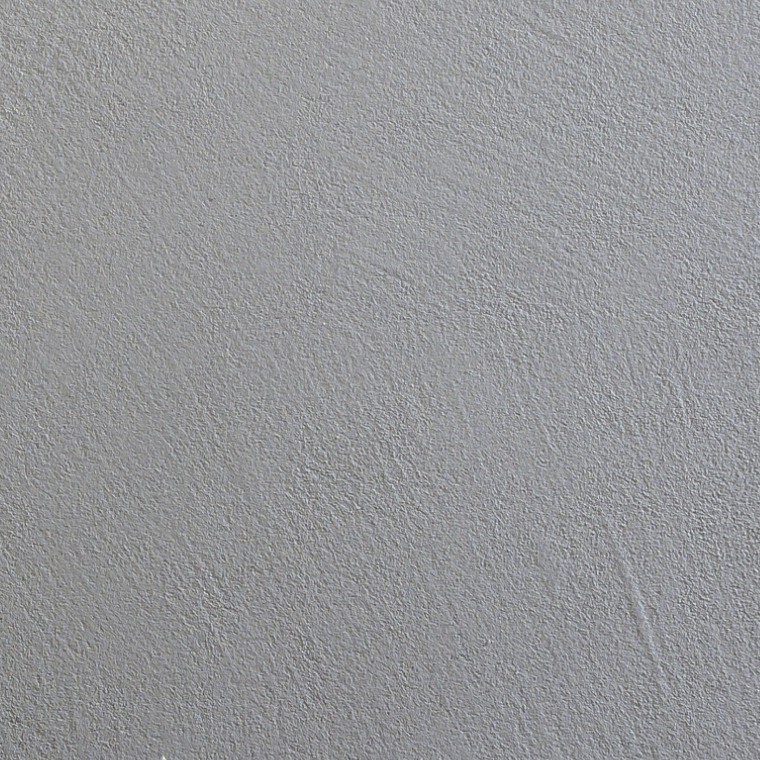
Pronounced grain and tactile surface texture. The most expressive finish — best for industrial, rustic or characterful interiors.
From first site visit to final sealed surface, every project follows the same four-stage process. Exact timelines depend on the size of the area and substrate condition — we'll confirm a schedule with your quote.
Free in-person consultation across London & Surrey. We assess the substrate, talk through colour and finish options, and provide a fixed-price quote.
Existing substrate cleaned, repaired, primed and reinforced with fibreglass mesh where required. The hidden step that decides everything.
Two base coats and two finish coats applied by hand at ~2–3mm total thickness. Each layer is troweled and sanded to your chosen texture.
Pre-sealer and topsealer applied to lock in colour and create a fully washable, water-resistant surface. Cure time 24–48 hours before normal use.
A side-by-side look at how microcement compares to the most common alternatives for this application.
| Microcement | Wood | Tile | Carpet | |
|---|---|---|---|---|
| Seamless with floor | — | — | — | |
| Slip-resistant when sealed | With wax | |||
| Apply over existing | — | — | ||
| Custom colour | Stains | Tile pattern | ||
| Lifespan | 15+ years | 20+ years | 15+ years | 7–10 years |
| Repair if worn | Top re-coat | Sand + refinish | Replace tile | Replace carpet |